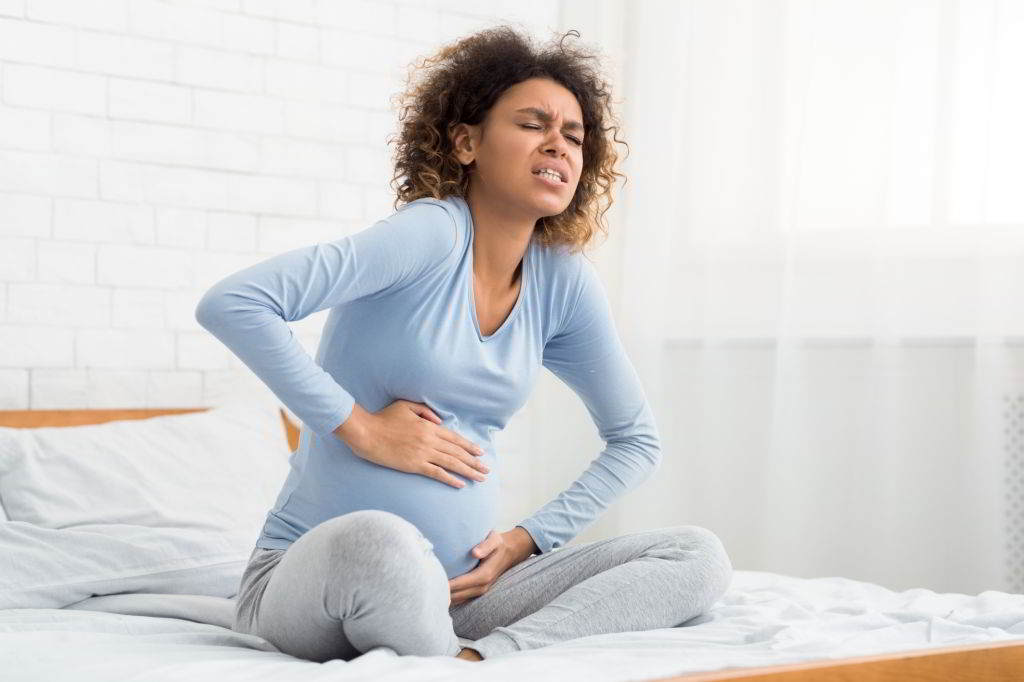
Vomiting, diarrhea, and stomach cramps are uncomfortable at any time, but experiencing them during pregnancy can be especially worrying.
A stomach virus usually refers to viral gastroenteritis, an infection that affects the stomach and intestines. It can cause sudden vomiting, watery diarrhea, nausea, abdominal cramping, and sometimes fever.
Most uncomplicated cases improve within a few days. The main immediate concern during pregnancy is losing too much fluid and becoming dehydrated. It is also important not to assume that every episode is viral, because food poisoning, pregnancy-related illness, and other medical conditions can produce similar symptoms.
Contact your obstetrician, midwife, maternity unit, or another healthcare professional when you cannot keep fluids down, show signs of dehydration, have a fever, experience severe pain, or are concerned about your pregnancy.
Medical notice: This article provides general educational information. It does not replace advice or assessment from an obstetrician, midwife, doctor, pharmacist, or another qualified healthcare professional.
What Is a Stomach Virus?
A stomach virus is a common name for viral gastroenteritis.
It occurs when a virus causes inflammation in the stomach and intestines. Norovirus is one of the best-known causes, but several viruses can cause gastroenteritis.
Despite sometimes being called stomach flu, viral gastroenteritis is not influenza. Influenza primarily affects the respiratory system, while gastroenteritis mainly affects the digestive system.
A stomach virus can spread through:
- Direct contact with someone who is infected
- Food or water contaminated with the virus
- Touching contaminated surfaces and then touching the mouth
- Sharing utensils, cups, towels, or food
- Cleaning up vomit or diarrhea without adequate precautions
- Eating food prepared by someone who is currently contagious
Viruses such as norovirus spread very easily, particularly within homes, schools, childcare settings, workplaces, restaurants, and shared living spaces.
What Are the Symptoms of a Stomach Virus During Pregnancy?
Common symptoms include:
- Watery diarrhea
- Nausea
- Vomiting
- Abdominal cramps
- Stomach discomfort
- Loss of appetite
- Fatigue
- Headache
- Muscle aches
- Mild fever or chills
Symptoms may begin suddenly.
Some people mainly experience vomiting, while others have more diarrhea. The severity and duration depend on the virus, general health, hydration, and whether another illness is causing the symptoms.
How Long Does a Stomach Virus Last?
Many viral stomach illnesses begin improving within a few days.
Vomiting often settles before diarrhea. Loose stools may continue for several days after nausea and vomiting improve.
Contact a healthcare professional when:
- Vomiting continues for more than two days
- Diarrhea continues for more than several days
- Symptoms are worsening instead of improving
- You are pregnant and struggling to remain hydrated
- Symptoms return after initially improving
- You have recently traveled
- You recently took antibiotics
- Another person who ate the same food is also ill
- You have an underlying medical condition
During pregnancy, you do not need to wait for a set number of days before seeking advice. Call sooner when you are worried or cannot replace lost fluids.
Is a Stomach Virus Dangerous During Pregnancy?
A brief, uncomplicated stomach virus is not usually considered a direct threat to the pregnancy. However, complications from the illness can become concerning.
The main risks include:
- Dehydration
- Loss of electrolytes
- Persistent fever
- Inability to take prescribed medicines or food
- Severe weakness
- A different infection being mistaken for a virus
- Contractions or uterine tightening associated with dehydration
- Reduced fetal movement later in pregnancy
- Delayed treatment of a pregnancy complication with similar symptoms
Some foodborne infections can have pregnancy-specific risks even when the pregnant person feels only mildly ill. For this reason, fever, significant illness, or symptoms following a recalled or high-risk food should be discussed with a healthcare professional.
Why Is Dehydration a Concern During Pregnancy?
Vomiting and diarrhea cause the body to lose water and electrolytes.
When those losses are not replaced, dehydration may develop. Pregnancy already increases the body’s fluid requirements, which can make it important to respond early.
Possible signs of dehydration include:
- Strong thirst
- Dry mouth or lips
- Dark-yellow urine
- Urinating less often than usual
- Going many hours without urinating
- Dizziness, especially when standing
- Headache
- Unusual weakness
- Rapid heartbeat
- Feeling faint
- Sunken-looking eyes
- Confusion or extreme drowsiness
Severe dehydration may require intravenous fluids in a clinic or hospital.
Contact your healthcare professional promptly when you have dark urine, are barely urinating, cannot keep fluids down, feel faint, or are becoming increasingly weak.
Can Dehydration Cause Contractions?
Dehydration may be associated with uterine tightening or contractions in some pregnant people.
This does not mean every cramp during a stomach virus is labor. Intestinal cramping can also feel similar to uterine discomfort.
Contact your maternity team when you have:
- Regular or repeated uterine tightenings
- Contractions that become stronger or closer together
- Pelvic pressure
- Persistent lower-back pain
- Vaginal bleeding
- Watery vaginal fluid
- Symptoms of labor before 37 weeks
Do not assume that contractions are caused only by dehydration without speaking to your maternity team.
Stomach Virus Versus Morning Sickness
Nausea and vomiting are common during early pregnancy. However, pregnancy-related nausea and a stomach virus often have different patterns.
Morning sickness may be more likely when:
- Nausea has developed gradually
- Symptoms have been present for days or weeks
- There is no diarrhea
- There is no fever
- Certain smells or foods trigger symptoms
- Symptoms resemble your usual pregnancy sickness
- No one around you has similar symptoms
A stomach virus may be more likely when:
- Symptoms begin suddenly
- Watery diarrhea is present
- Abdominal cramps occur
- Other household members are sick
- You recently had contact with someone who was vomiting
- You recently ate food associated with illness
- You have fever, chills, or body aches
These differences are not absolute.
Severe pregnancy sickness, known as hyperemesis gravidarum, can also cause repeated vomiting, dehydration, weight loss, and inability to eat or drink. It needs medical treatment even when no virus is involved.
Could It Be Food Poisoning Instead?
Food poisoning can produce symptoms similar to viral gastroenteritis.
Possible symptoms include:
- Nausea
- Vomiting
- Diarrhea
- Stomach cramps
- Fever
- Chills
- Muscle aches
- Headache
- Blood or mucus in the stool
Food poisoning may be caused by viruses, bacteria, parasites, or toxins.
It may be more likely when:
- Several people who ate the same meal became sick
- Symptoms began after eating a particular food
- You ate undercooked meat, eggs, seafood, or poultry
- You ate unpasteurized food
- Food was not stored at a safe temperature
- You ate food involved in a public-health recall
- Diarrhea is bloody
- Fever is significant
- Pain is severe
Because pregnancy increases the risk of serious illness from certain foodborne germs, contact your healthcare professional when food poisoning is possible.
What Is Listeriosis?
Listeriosis is an infection caused by the bacterium Listeria monocytogenes.
Pregnant people have a higher risk of developing listeriosis than healthy adults who are not pregnant. The pregnant person may experience mild symptoms, but the infection can affect the pregnancy.
Possible symptoms include:
- Fever
- Chills
- Muscle aches
- Fatigue
- Nausea
- Vomiting
- Diarrhea
- Headache
Contact your obstetrician or maternity team promptly when you develop fever or flu-like or gastrointestinal symptoms after:
- Eating food recalled because of Listeria
- Eating an unpasteurized dairy product
- Eating refrigerated food that may have been contaminated
- Being notified of a foodborne outbreak involving something you ate
Do not take leftover antibiotics. Listeriosis requires professional assessment and appropriate prescription treatment.
What Should You Do If You Have a Stomach Virus While Pregnant?
Contact your healthcare professional when needed
Call your maternity team, doctor, or pregnancy-care provider when:
- You cannot keep fluids down
- You have signs of dehydration
- You have a fever
- You feel unusually weak or faint
- You have severe abdominal pain
- You are uncertain whether symptoms are pregnancy-related
- You have an underlying condition
- You may have eaten contaminated or recalled food
Be prepared to explain:
- How many weeks pregnant you are
- When symptoms began
- How frequently you are vomiting
- How often you have diarrhea
- Whether you have a fever
- Whether blood is present
- When you last urinated
- Whether you can keep fluids down
- Whether you have abdominal or pelvic pain
- Whether the baby is moving normally
- Whether anyone else is sick
- What you recently ate
- Whether you recently traveled or took antibiotics
Drink small amounts frequently
When drinking a full glass triggers vomiting, try taking smaller amounts more often.
Possible options include:
- Water
- Oral rehydration solution
- Clear broth
- Fluids recommended by your healthcare professional
- Ice chips when ordinary drinking is difficult
Oral rehydration solutions contain a measured combination of water, salts, and sugar. They can replace electrolytes more effectively than plain water when vomiting and diarrhea are significant.
Do not make a highly concentrated homemade mixture. Incorrect amounts of sugar or salt can worsen symptoms or create an unsafe drink.
Ask a healthcare professional before using an electrolyte product when you have kidney disease, heart disease, diabetes, or a medically restricted fluid or salt intake.
Rest
Your body needs energy to recover.
Rest in a comfortable place and avoid strenuous activity. Stand up slowly when you feel dizzy or weak.
Ask someone to help with food preparation, cleaning, childcare, or transportation when possible.
Resume food as tolerated
You do not need to force food while actively vomiting.
When nausea begins improving, try small portions of foods you tolerate, such as:
- Rice
- Toast
- Crackers
- Potatoes
- Soup
- Oatmeal
- Bananas
- Plain pasta
- Cooked vegetables
- Other familiar foods that feel manageable
You can usually move back toward your normal balanced diet as your appetite returns.
Avoid unnecessarily restricting yourself to only bananas, rice, applesauce, and toast for an extended period. That combination does not provide complete nutrition.
What Should You Avoid Eating or Drinking?
While symptoms are active, some foods and drinks may worsen nausea or diarrhea.
Consider limiting:
- Very fatty foods
- Fried foods
- Highly spicy foods
- Large meals
- Large amounts of fruit juice
- Very sugary drinks
- Caffeinated energy drinks
- Foods that clearly trigger more nausea
Avoid alcohol during pregnancy.
Continue following pregnancy food-safety guidance, including avoiding unpasteurized products and inadequately cooked meat, poultry, seafood, or eggs.
What If You Vomit Every Time You Drink?
Contact a healthcare professional when you cannot keep fluids down.
You may need:
- Prescription anti-nausea treatment
- Assessment for dehydration
- Blood or urine testing
- Intravenous fluids
- Evaluation for another cause of vomiting
Do not wait until you are severely weak or have stopped urinating.
Small sips may help while you arrange care, but they are not a substitute for medical treatment when everything continues to come back up.
Can You Take Anti-Diarrhea Medicine During Pregnancy?
Speak with a doctor, midwife, or pharmacist before taking an anti-diarrhea medicine.
Loperamide is not routinely recommended during pregnancy without professional advice. It may also be inappropriate when diarrhea occurs with:
- Fever
- Blood in the stool
- Severe abdominal pain
- Suspected bacterial infection
- Recent antibiotic use
- Certain bowel conditions
Bismuth subsalicylate products should not be taken during pregnancy unless a qualified healthcare professional specifically recommends them.
Do not use another person’s medicine or take more than the label recommends.
Can You Take Anti-Nausea Medicine?
Some anti-nausea medicines may be used during pregnancy, but the correct choice depends on:
- Pregnancy stage
- Severity of symptoms
- Other medicines
- Medical history
- The possible cause of vomiting
Contact your pregnancy-care provider when lifestyle measures are not enough.
Do not assume that a medicine is safe because it is available without a prescription or described as natural.
Do Antibiotics Treat a Stomach Virus?
No. Antibiotics do not treat viral gastroenteritis.
Antibiotics work against certain bacterial infections, not viruses.
Unnecessary antibiotic use may cause side effects and can contribute to antibiotic resistance. Some antibiotics can also cause diarrhea.
A clinician may prescribe an antibiotic when testing or symptoms suggest a bacterial infection that requires treatment, such as listeriosis or another specific condition.
Do not use leftover antibiotics.
Can You Continue Taking Prenatal Vitamins?
Prenatal vitamins, particularly products containing iron, can sometimes worsen nausea or stomach discomfort.
Do not permanently stop a prescribed supplement without advice.
When you cannot keep your prenatal vitamin down, ask your obstetrician, midwife, or pharmacist whether you should:
- Temporarily change the timing
- Take it with food
- Use a different formulation
- Pause it briefly
- Adjust a separately prescribed iron product
Do not take an extra dose to replace one that you vomited unless your healthcare professional or the product instructions tell you to do so.
When Should You Call Your Doctor or Midwife?
Contact a healthcare professional promptly when:
- You cannot keep fluids down
- You have not urinated for many hours
- Your urine is very dark
- You feel dizzy or faint
- You have a temperature of 38°C or 100.4°F or higher
- Vomiting is persistent
- Diarrhea is severe or worsening
- Symptoms are not improving
- You have blood or mucus in the stool
- You vomit blood
- You have severe or localized abdominal pain
- You have recently eaten recalled food
- You recently traveled
- You recently took antibiotics
- You have diabetes, kidney disease, or another medical condition
- You are concerned about medication absorption
- You feel that something is wrong
Pregnancy may justify a lower threshold for contacting a healthcare professional than you would use when not pregnant.
Pregnancy Symptoms That Need Maternity Assessment
Contact your maternity unit when vomiting or diarrhea occurs with:
- Vaginal bleeding
- Fluid leaking from the vagina
- Regular contractions
- Pelvic pressure
- Severe or persistent abdominal pain
- Reduced fetal movement
- A change in the baby’s usual movement pattern
- Severe headache
- Vision changes
- Significant swelling of the face or hands
- Persistent pain beneath the ribs, especially on the right
- Symptoms of labor before 37 weeks
Vomiting later in pregnancy with severe headache, vision changes, or pain under the ribs should not automatically be blamed on a stomach virus. These may be warning signs of preeclampsia and require maternity assessment.
Reduced Fetal Movement
Once you normally feel your baby move, pay attention to the baby’s usual pattern while you are ill.
Contact your midwife or maternity unit immediately when:
- The baby moves less than usual
- Movement stops
- The pattern changes noticeably
- You are uncertain about the movement
Do not wait until the next day, finish a drink, eat something sugary, or rely on a home Doppler before calling.
Hearing a heartbeat at home does not confirm that the baby is well.
When Should You Seek Emergency Care?
Seek urgent or emergency help when you have:
- Fainting or collapse
- Confusion or unusual difficulty staying awake
- Severe breathing difficulty
- Severe or constant abdominal pain
- Heavy vaginal bleeding
- Vomit containing a significant amount of blood
- Black or bloody stool
- Very little or no urine
- A seizure
- A stiff neck with severe illness
- Signs of severe dehydration
- Symptoms of sepsis
- The feeling that you are seriously unwell
Do not drive yourself when you feel faint, confused, extremely weak, or unable to travel safely.
Could Abdominal Pain Be Something Other Than a Stomach Virus?
Yes. Abdominal pain, nausea, vomiting, and diarrhea can occur with several conditions.
Possible alternatives include:
- Food poisoning
- Appendicitis
- Gallbladder disease
- Kidney infection
- Urinary tract infection
- Pancreatitis
- Bowel inflammation
- Medication side effects
- Hyperemesis gravidarum
- Ectopic pregnancy in early pregnancy
- Preterm labor
- Preeclampsia later in pregnancy
Seek assessment for pain that is:
- Severe
- Constant
- Increasing
- Mainly on one side
- Focused in one specific area
- Accompanied by fever
- Associated with vaginal bleeding
- Associated with shoulder pain, dizziness, or fainting
- Associated with contractions or reduced movement
A stomach virus usually causes cramping that accompanies vomiting or diarrhea, but symptoms cannot always be distinguished at home.
Can a Stomach Virus Cause Miscarriage?
A typical brief viral gastroenteritis illness is not generally considered a common direct cause of miscarriage.
However, symptoms such as fever, significant dehydration, severe pain, vaginal bleeding, or fainting need evaluation. In early pregnancy, an ectopic pregnancy or pregnancy loss can sometimes initially be mistaken for a stomach illness.
Certain serious infections, including listeriosis, may also affect a pregnancy.
Contact your pregnancy-care provider rather than trying to estimate risk from the severity of diarrhea or vomiting alone.
Can a Stomach Virus Cause Preterm Labor?
A stomach virus does not always lead to early labor, but dehydration and illness may be associated with uterine tightening.
Before 37 weeks, contact your maternity unit when you have:
- Regular contractions
- Repeated abdominal tightening
- Lower-back pressure
- Pelvic pressure
- Vaginal bleeding
- Watery fluid leaking
- A change in vaginal discharge
Do not wait for contractions to become very painful.
How Can You Avoid Spreading the Virus?
Wash your hands with soap and water
Wash thoroughly:
- After using the toilet
- After cleaning vomit or diarrhea
- Before eating
- Before preparing food
- After changing diapers
- Before handling medicines
Alcohol-based hand sanitizer can be used as an additional measure, but it should not replace washing with soap and water for norovirus prevention.
Avoid preparing food for others
When possible, do not prepare or serve food while you are sick and for at least two days after vomiting and diarrhea stop.
Ask another household member to prepare meals.
Clean contaminated surfaces
Clean and disinfect toilets, sinks, door handles, taps, and other frequently touched surfaces.
Use a disinfectant whose label states that it is effective against norovirus, and follow the product instructions carefully.
Never mix bleach with ammonia, vinegar, toilet cleaner, or another cleaning chemical.
Wash contaminated laundry carefully
Handle soiled bedding, towels, and clothing without shaking them.
Wash them with detergent using the warmest appropriate setting and dry them thoroughly.
Wash your hands afterward.
Do not share personal items
Avoid sharing:
- Towels
- Cups
- Utensils
- Food
- Toothbrushes
- Bedding
Keep bathroom and kitchen items clean while someone in the household is ill.
How Can You Reduce the Risk of Foodborne Illness?
During pregnancy:
- Wash hands before preparing food
- Keep raw meat separate from ready-to-eat food
- Cook meat, poultry, seafood, and eggs thoroughly
- Wash produce under running water
- Refrigerate perishable food promptly
- Avoid unpasteurized milk and products made from it
- Follow pregnancy guidance for deli meats and refrigerated foods
- Check public-health food recalls
- Discard food that may have been contaminated
- Avoid food prepared by someone currently vomiting or experiencing diarrhea
Food can look and smell normal while still containing harmful germs.
Frequently Asked Questions
Is a stomach virus common during pregnancy?
Yes. Pregnant people can catch viral gastroenteritis just like anyone else. Contact with children, shared households, contaminated surfaces, food, or water can increase exposure.
How can I tell if vomiting is morning sickness or a stomach virus?
A stomach virus is more likely to begin suddenly and include diarrhea, abdominal cramps, fever, or sick household contacts. Morning sickness often develops more gradually and usually does not cause diarrhea or fever.
Can diarrhea hurt the baby?
Diarrhea itself does not directly reach the baby. The main concerns are dehydration, fever, severe infection, and another condition causing the symptoms.
Should I drink only water?
Water can help, but significant vomiting or diarrhea also causes electrolyte loss. An oral rehydration solution may be useful. Ask a healthcare professional when symptoms are severe or you have a condition affecting fluid or salt intake.
Can I drink sports drinks?
They may provide fluid, but some contain large amounts of sugar and may not replace electrolytes as effectively as a proper oral rehydration solution. Use them in moderation and seek advice when dehydration is developing.
Should I stop eating?
You do not need to force food while actively vomiting. Resume small portions as tolerated, then return gradually to a normal balanced diet.
Is the BRAT diet necessary?
No. Bananas, rice, applesauce, and toast may be easy to tolerate, but they do not provide complete nutrition. Eat a wider variety of foods as your appetite returns.
Can I take loperamide while pregnant?
Loperamide is not routinely recommended during pregnancy without professional advice. Ask a doctor, midwife, or pharmacist before taking it.
Can I take Pepto-Bismol during pregnancy?
Bismuth subsalicylate products are not recommended during pregnancy unless a qualified healthcare professional specifically advises otherwise.
Do I need antibiotics?
Antibiotics do not treat a viral stomach illness. They may be prescribed only when a healthcare professional identifies or strongly suspects an appropriate bacterial infection.
When should I worry about fever?
Contact your healthcare provider when you have a fever during pregnancy, particularly when it is persistent, reaches 38°C or 100.4°F, follows a possible foodborne exposure, or occurs with severe symptoms.
Can I breastfeed an older child while I have a stomach virus?
The virus is generally spread through contaminated hands, surfaces, food, stool, or vomit rather than through breast milk. Continue careful hand hygiene and contact your healthcare professional when you are severely dehydrated or taking medicine.
What if everyone in the house is sick?
Focus on hydration and infection control. Contact your pregnancy-care provider if you cannot keep fluids down, have fever, become dehydrated, or develop pregnancy-related warning signs.
The Bottom Line
A stomach virus during pregnancy commonly causes vomiting, watery diarrhea, nausea, and abdominal cramping.
Many cases improve within a few days, but pregnancy makes it especially important to prevent dehydration and recognize symptoms that may indicate another condition.
Remember to:
- Drink small amounts of fluid frequently
- Consider an oral rehydration solution
- Rest and eat as tolerated
- Ask before taking anti-diarrhea or anti-nausea medicine
- Contact your healthcare provider for fever or possible food poisoning
- Seek help when you cannot keep fluids down
- Report vaginal bleeding, leaking fluid, contractions, or reduced fetal movement
- Seek urgent care for severe pain, fainting, confusion, blood in vomit or stool, or severe dehydration
Do not assume every episode of vomiting and diarrhea is a harmless virus.
Sources
- Centers for Disease Control and Prevention: About Norovirus
- Centers for Disease Control and Prevention: How to Prevent Norovirus
- National Institute of Diabetes and Digestive and Kidney Diseases: Viral Gastroenteritis Symptoms and Causes
- National Institute of Diabetes and Digestive and Kidney Diseases: Eating and Nutrition for Viral Gastroenteritis
- NHS: Diarrhoea and Vomiting
- NHS: Vomiting and Morning Sickness
- American College of Obstetricians and Gynecologists: Listeria and Pregnancy
- Centers for Disease Control and Prevention: People at Increased Risk for Food Poisoning
- NHS: Loperamide During Pregnancy
- NHS: Bismuth Subsalicylate During Pregnancy
- NHS: Your Baby’s Movements