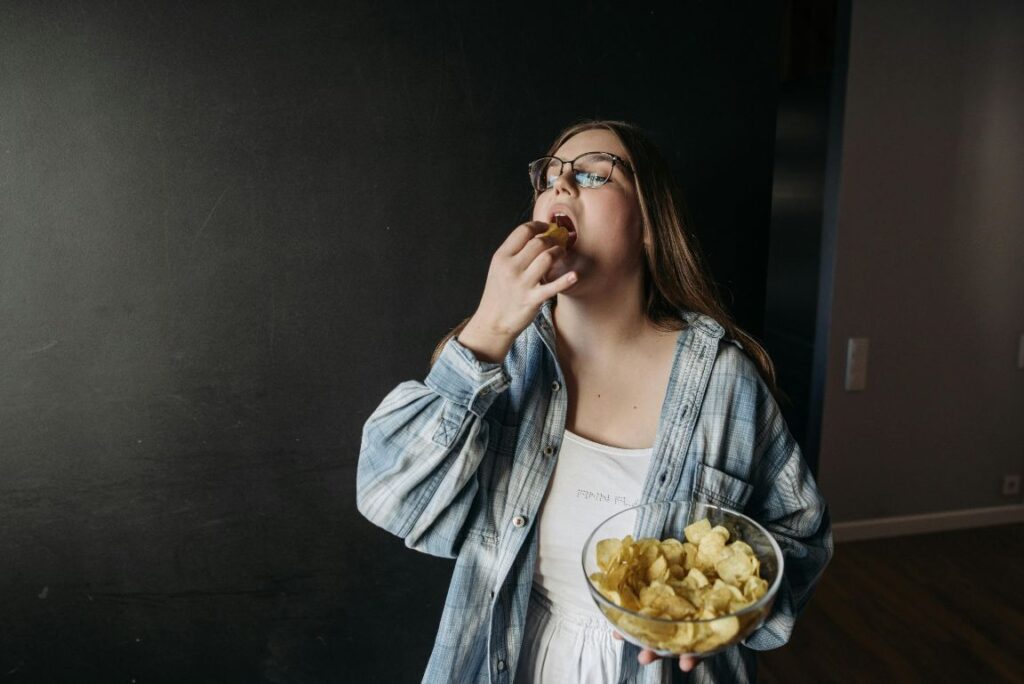
Nobody warns you about the 3am craving for pickles dipped in peanut butter. Or the overwhelming need to eat ice by the cupful. Or the inexplicable obsession with the smell of petrol.
Pregnancy cravings are one of the most universal and least understood parts of being pregnant and the weird ones are far more common than anyone admits. If you’ve found yourself desperately wanting something that makes zero nutritional sense, you’re not strange. You’re pregnant.
Here’s everything that’s actually going on.
Table of Contents
Why Do Pregnancy Cravings Happen in the First Place?
The honest answer is that science doesn’t have a clean, definitive explanation and anyone who tells you otherwise is oversimplifying. But there are several well-supported theories, and the most convincing picture involves all of them working together.
Hormonal shifts. In the first trimester especially, oestrogen and progesterone levels change dramatically. These hormones affect taste and smell sensitivity, which is why some foods that were fine before suddenly become repulsive, and why certain foods become magnetic in a way that feels almost physical. Your sensory landscape genuinely changes.
Nutritional signalling sometimes. Some cravings appear to track genuine nutrient needs. Craving red meat can sometimes correspond to iron deficiency. Intense thirst and craving for salty foods sometimes signals the body’s need for more electrolytes. Craving dairy may reflect calcium needs as the baby’s bones develop. But this is not a reliable one-to-one system, your body’s signalling is imperfect, and craving chocolate doesn’t mean you need magnesium any more than it just means you want chocolate.
Heightened smell, altered taste. Pregnancy dramatically increases olfactory sensitivity. Things that smelled faintly appealing before now fill a room. Things that were neutral become nauseating. This directly shapes what you crave, your brain begins associating certain strong smells with comfort or reward, which creates cravings that feel urgent and specific.
Emotional and psychological comfort. Pregnancy is a significant physical and emotional event. Food cravings are, for many people, tied to comfort and safety and comfort foods during pregnancy often reflect exactly that. Cultural background, childhood food memories, and emotional state all shape what you reach for.
The Most Common Unusual Pregnancy Cravings (And What They Might Mean)
Ice
Craving ice and specifically the urge to chew it constantly is one of the most frequently reported unusual pregnancy cravings. It even has a name: pagophagia, which is a subtype of pica (see below). Ice craving is one of the better-studied cravings because of its strong association with iron deficiency anaemia. If you’re going through a bag of ice a week, it’s genuinely worth mentioning to your midwife and getting your iron levels checked.
Pickles and vinegar
Sour, acidic, briny foods are classic pregnancy cravings for a reason. Oestrogen dulls taste perception slightly during pregnancy, which can make the body reach for intense, sharp flavours to get the same sensory response as before. Pickles deliver that hit of strong, clear flavour, plus they’re salty, which supports fluid balance and blood pressure regulation as blood volume increases significantly during pregnancy.
Coal, chalk, clay and non-food substances
This is called pica, the craving for non-nutritive substances and it’s more common in pregnancy than most people realise. Reported substances include chalk, coal, dirt, clay, laundry detergent, toothpaste, and even cigarette ash. Pica is strongly associated with mineral deficiencies (particularly iron and zinc) and is more prevalent in certain communities and geographic regions. If you’re experiencing pica cravings, please tell your midwife, it’s not something to be embarrassed about, and it does need to be taken seriously.
Petrol, bleach, and cleaning products
Craving the smell of petrol stations, bleach, or freshly-printed paper is another form of pica. The reassuring part is that most of these are smell cravings, not ingestion cravings. The heightened sensitivity of the pregnant nose can make certain strong chemical smells oddly pleasant in a way that’s deeply confusing. The less reassuring part is that inhaling these things in quantity genuinely isn’t safe, so if you’re finding yourself lingering near petrol pumps, it’s worth raising with your doctor.
Spicy food
Counterintuitively, spicy food cravings are very common even in women who didn’t particularly eat spice before pregnancy. One theory: spicy food triggers endorphin release, and the body during pregnancy may be seeking that natural high. Another theory: capsaicin (the compound that makes food spicy) stimulates the digestive system, and some pregnant bodies respond to slowed digestion by craving things that get things moving.
Fruit all of it, constantly
A strong drive toward fresh fruit is one of the healthiest and most common unusual pregnancy cravings. The leading explanation is simple: fruit is high in vitamin C, which supports iron absorption, a critical issue when the baby is drawing on maternal iron stores. Your body may be trying to optimise its iron uptake. Also, many fruits are sweet but also slightly sour/acidic, hitting that same intensity-of-flavour note that pickles do.
Combinations that make no logical sense
Cravings for strange combinations, sweet and salty, hot and cold, dairy and meat reflect the way pregnancy disrupts normal flavour preferences. The brain’s reward pathways respond differently during pregnancy, making unusual combinations seem genuinely appealing rather than repellent. The cultural cliché of pickles and ice cream isn’t entirely fictional: the combination of acidic-salty-sweet-cold is, for some pregnant women, hitting all of those altered taste receptors at once.
Unusual Cravings in Pregnancy: When to Be Concerned
Most pregnancy cravings even the strange ones are harmless. You don’t need to worry about eating an entire jar of pickles, mainlining orange juice, or surviving for a week on cheese and crackers.
You should talk to your midwife or doctor if:
- You’re craving non-food substances (pica), particularly dirt, clay, chalk, coal, or cleaning products
- You’re craving or consuming raw meat, unwashed produce, or things that carry infection risk
- A craving is leading you to consume very large quantities of something (excessive salt, excessive sugar, excessive caffeine)
- A craving is so intense it’s affecting your ability to eat a reasonably varied diet
- The craving is accompanied by other symptoms like extreme fatigue, breathlessness, or pallor, these can signal iron deficiency that needs testing
Can You Trust Pregnancy Cravings as Nutritional Guidance?
Not really not directly. The idea that your body is sending you precise signals about nutritional gaps is appealing but doesn’t hold up to scrutiny. If it did, nobody would crave chocolate. Nobody would desperately want Doritos. Nobody would need a McFlurry at midnight.
What’s more accurate: your body is sending some signals about some deficiencies (the iron-ice connection, for example, is real), but those signals are filtered through hormones, emotions, smell sensitivity, learned food associations, and cultural context before they arrive as the feeling of desperately needing a specific thing.
Use cravings as data, not instructions. If you’re craving red meat constantly, get your iron checked. If you’re craving dairy obsessively, make sure you’re getting enough calcium and vitamin D. But also it’s okay to just eat the thing you’re craving, as long as it’s safe to eat during pregnancy, and not stress about what it means.
Food That’s Actually Safe (and Not Safe) When the Cravings Hit
A few things that come up frequently as craving foods, with honest safety notes:
Sushi: Cooked sushi is fine. Raw fish carries a small but real risk of listeria and other bacteria that can affect pregnancy outcomes. If you’re craving sushi, go for the prawn tempura rolls, not the tuna sashimi.
Soft cheeses: Pasteurised soft cheese (including most supermarket brie) is fine. Unpasteurised varieties should be avoided. Check the label, most UK supermarket soft cheeses are pasteurised.
Pineapple: Yes, the internet says bromelain in pineapple can cause miscarriage. The quantity required to have any physiological effect is enormous, many whole pineapples per sitting. Eating pineapple normally is completely safe.
Deli meats: These carry a small listeria risk, especially when eaten cold. Heating them thoroughly (until steaming) removes the risk.
Spicy food: Completely safe during pregnancy. It may aggravate heartburn, which is already common in the third trimester, but it does not harm the baby or trigger labour in normal quantities.
When Do Pregnancy Cravings Start and Stop?
Most women notice cravings beginning in the first trimester, often alongside morning sickness, interestingly, the same hormonal changes that cause nausea seem to trigger cravings. They typically peak around weeks 10–14 and often ease off in the second trimester as hormone levels stabilise.
For many women, cravings diminish significantly or disappear by the third trimester. For others, specific cravings persist throughout. Both patterns are entirely normal.
Post-birth, cravings usually resolve quickly, within days to weeks, as hormone levels return toward baseline.
Final Thought: Trust Yourself (Mostly)
Pregnancy cravings are your body doing something remarkable and imprecise. The weirdest ones are often the most memorable, the thing you ate for three weeks straight, the smell that made you feel human again, the combination that made absolutely no sense but worked.
Go easy on yourself. Eat the pickle. Skip the chalk. Check your iron.