
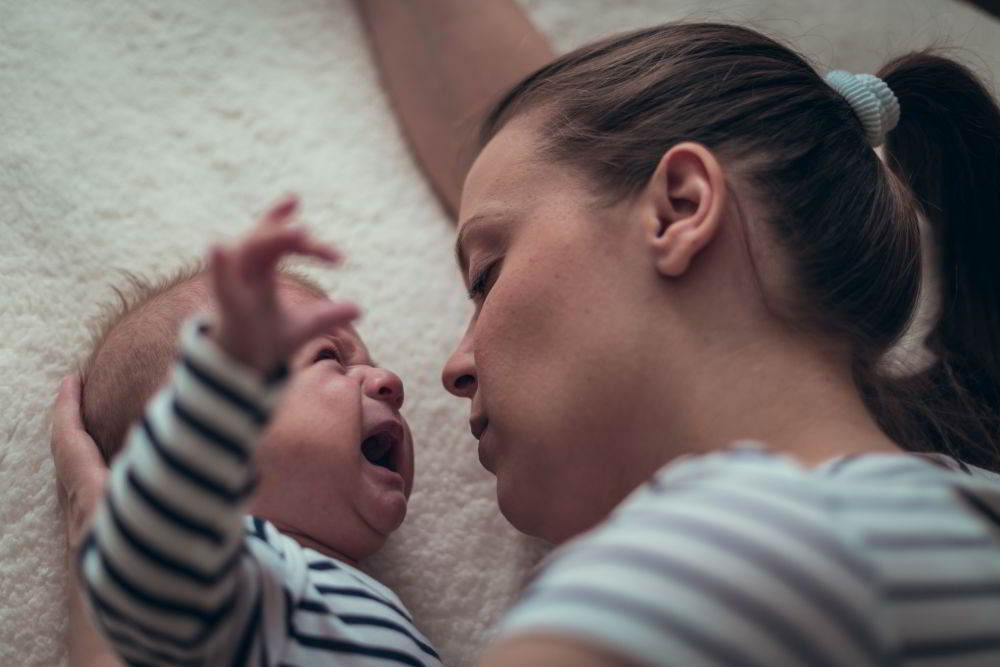
Hearing your newborn suddenly wake up screaming can be alarming, especially when they seemed perfectly peaceful just moments earlier.
The good news is that newborns cry for many ordinary reasons. Hunger, tiredness, a wet diaper, overstimulation, or simply moving from one stage of sleep to another can all result in a surprisingly loud wake-up.
Because newborns cannot tell you what they need, crying is one of their main ways of communicating.
Still, there is a difference between normal newborn fussiness and crying accompanied by signs that your baby may be unwell. Knowing what commonly causes nighttime crying—and what warning signs deserve medical attention—can make those unexpected wake-ups easier to handle.
Why Does My Newborn Wake Up Screaming?
Newborn sleep is very different from adult sleep.
Rather than sleeping for one long stretch at night, newborns typically sleep in short periods throughout the day and night. They frequently wake because they need to feed and because their sleep-wake rhythms are still developing.
Crying when waking does not necessarily mean something is wrong.
Your baby may simply have reached the end of a sleep cycle and discovered that they are hungry, uncomfortable, or ready for attention.
Here are some of the most common possibilities.
1. Your Baby Is Hungry
Hunger is one of the most common reasons a newborn wakes up crying.
A newborn’s stomach is small, so frequent feeding is normal. Young babies often need to wake every few hours to eat, including during the night.
Ideally, you may notice earlier hunger cues before crying begins, such as:
- Moving the head from side to side
- Opening the mouth
- Bringing hands toward the mouth
- Making sucking movements
- Becoming increasingly restless
Crying is often a later hunger signal.
If your baby wakes screaming and it has been a while since their last feeding, hunger is a reasonable first possibility to check.
Follow the feeding schedule and guidance provided by your baby’s healthcare professional, particularly during the early newborn period when some babies may need to be awakened for feeds.
2. They Are Moving Between Sleep Stages
Babies do not sleep as quietly as adults.
During active sleep, newborns may twitch, move their arms and legs, make facial expressions, produce small sounds, briefly cry, or appear restless.
Sometimes parents assume that their baby is completely awake when the baby may actually be transitioning between sleep stages.
If your baby makes a brief cry but remains asleep and otherwise appears comfortable, you may not always need to immediately wake them.
Give yourself a moment to observe whether your baby is actually awake and needs you.
Of course, if the crying continues or becomes more intense, check on your baby and respond to their needs.
3. Your Baby Is Overtired
It may seem strange, but being extremely tired can sometimes make it harder for a baby to settle.
Newborns can become overstimulated relatively easily. Too much activity, noise, light, handling, or simply being awake for longer than they can comfortably manage may leave them fussy.
Signs that your newborn may be getting tired include:
- Yawning
- Looking away
- Fussiness
- Becoming less interested in interaction
- Difficulty settling
Learning your baby’s individual tired cues can help you begin their sleep routine before they become extremely upset.
You do not need a strict sleep schedule for a newborn. Their sleep is still developing, and feeding and sleeping patterns can change frequently during the first months.
4. They Need a Diaper Change
Sometimes the explanation is simple.
A wet or dirty diaper can make some babies uncomfortable enough to wake and cry.
Other babies barely seem bothered by a wet diaper, so this varies considerably from one child to another.
If your newborn wakes suddenly and feeding does not seem to be the issue, checking the diaper is an easy next step.
5. Your Baby Is Too Warm or Too Cold
Temperature can also affect a baby’s comfort.
If your baby becomes too warm or too cold, they may become restless and cry.
However, you should not solve the problem by adding loose blankets to the crib.
Loose blankets, pillows, stuffed toys, bumpers, and other soft items should be kept out of an infant’s sleep area.
Instead, dress your baby appropriately for the room temperature and use safe sleep clothing when needed.
Watch for signs of overheating such as sweating, flushed skin, or a chest that feels unusually hot.
6. Your Baby May Have Reflux
Reflux is common during infancy.
It occurs when milk travels back from the stomach into the esophagus and sometimes comes out of the baby’s mouth.
Some babies with reflux remain perfectly comfortable, while others may become unsettled during or after feeding.
Possible signs can include:
- Spitting up during or shortly after feeds
- Coughing or hiccupping while feeding
- Gulping or swallowing after feeding
- Fussiness during feeds
- Crying and difficulty settling
If your baby frequently seems distressed during or after feeding, discuss it with your pediatrician rather than trying to diagnose reflux yourself.
Most importantly, reflux does not mean that your baby should sleep on their stomach or on an inclined surface.
Healthy infants, including babies with reflux, should still be placed on their backs on a firm, flat sleep surface unless their own healthcare professional has given different instructions because of a specific medical condition.
Do not raise one end of the crib mattress or use wedges, pillows, or sleep positioners in an attempt to treat reflux.
7. Colic May Cause Long Periods of Crying
Some otherwise healthy babies experience prolonged periods of intense crying during their first months.
This is commonly referred to as colic.
Colic often begins when babies are a few weeks old and generally improves as they get older.
A baby experiencing colic may:
- Cry intensely for extended periods
- Be difficult to soothe
- Clench their fists
- Pull their knees toward their tummy
- Become red or flushed while crying
However, not every episode of nighttime crying is colic.
If your newborn suddenly develops a new pattern of prolonged or unusual crying, especially with other symptoms, it is worth discussing with your pediatrician instead of assuming colic is responsible.
8. Your Baby Simply Wants Comfort
Newborns need a lot of physical reassurance.
After spending months in the womb, suddenly being in a completely different environment is a major adjustment.
Your baby may cry because they want to be held, hear your voice, or feel close to you.
Responding to a young baby’s cries and offering comfort does not mean you are spoiling them.
Holding your baby, gently rocking them while awake, speaking quietly, feeding if hungry, or reducing surrounding stimulation may help them settle.
Once your baby falls asleep, return them to their own safe sleep surface.
9. Your Baby May Be Unwell
Most newborn crying has an ordinary explanation, but illness or pain can sometimes cause a baby to wake suddenly and cry.
Parents gradually become familiar with the way their own baby normally cries. A noticeable change—particularly crying that sounds unusually intense, painful, weak, or difficult to console—deserves more attention.
Look at your baby’s overall behavior rather than the crying alone.
Consider whether they are:
- Feeding normally
- Waking normally for feeds
- Breathing comfortably
- Moving normally
- Having their usual wet diapers
- Alert during awake periods
- Their usual skin color
A significant change in these areas is more important than whether your baby simply wakes up crying.
Is My Newborn Having Nightmares?
It can certainly look like it.
A baby may suddenly cry, move, twitch, or make facial expressions while asleep. It is tempting to assume that they are having a frightening dream.
However, you should be cautious about labeling sudden newborn crying as a nightmare or night terror.
Newborn sleep is extremely active, and babies regularly make movements and noises during normal sleep.
Night terrors are primarily discussed as a sleep phenomenon of older children rather than as a typical explanation for a newborn suddenly crying.
For a newborn, it is usually more useful to first consider feeding, comfort, temperature, diapers, normal sleep transitions, overstimulation, reflux, or illness.
How Can I Calm a Newborn Who Wakes Up Screaming?
Start with your baby’s most immediate needs.
Check Whether They Are Hungry
Consider when your baby last ate and look for other hunger cues.
Feed according to your baby’s needs and the feeding advice you have received from your healthcare provider.
Check Their Diaper
A quick diaper check may solve the problem.
Hold and Comfort Your Baby
Try holding your baby close while speaking softly.
Gentle rocking or repetitive soothing sounds may also help some babies calm down.
Reduce Stimulation
Dim lighting and a quieter environment can help if your baby has become overstimulated.
Nighttime feeds and diaper changes can be kept calm and relatively quiet to reinforce the difference between daytime activity and nighttime sleep.
Burp Your Baby If Needed
If your newborn wakes shortly after feeding and seems uncomfortable, they may need to burp.
Keep your baby upright while awake for a short period after feeding if this has been recommended for them.
Check the Room and Clothing
Make sure your baby is not overdressed or becoming overheated.
Avoid loose blankets or other objects in the crib.
What If My Baby Cries While Still Asleep?
Newborns can sometimes cry briefly without fully waking.
They spend a significant amount of time in active sleep, when movement and noises are common.
You may notice:
- Grunting
- Brief cries
- Smiles or facial movements
- Arm and leg movements
- Twitching
- Changes in breathing rhythm
If the sound lasts only briefly and your baby’s breathing and color appear normal, they may simply be moving through a sleep stage.
If the crying continues, becomes intense, or your baby clearly wakes, check whether they need feeding, changing, comfort, or other care.
When Should You Call a Doctor About Newborn Crying?
Because newborns are very young, it is appropriate to have a lower threshold for contacting their healthcare provider when something seems noticeably different.
Contact your baby’s healthcare professional promptly if their crying is persistent, unusually difficult to console, sounds distinctly different from normal, or is accompanied by other concerning symptoms.
A baby younger than 3 months with a temperature of 38°C (100.4°F) or higher needs prompt medical assessment.
Seek urgent medical help if your baby:
- Has difficulty breathing
- Develops blue, gray, or unusually pale skin
- Is extremely difficult to wake or unusually weak
- Is not feeding normally and appears unwell
- Has a seizure
- Has repeated vomiting and appears ill
- Has significantly fewer wet diapers along with signs of illness
- Has a cry that appears to indicate severe pain or cannot be comforted
Parents know their baby’s usual behavior better than anyone else. If something feels significantly different or concerning, contacting your pediatrician is reasonable even when you cannot identify the exact cause.
Keep Safe Sleep in Mind After Soothing
When you are exhausted and trying to calm a crying newborn at night, it can be tempting to let your baby remain asleep wherever they finally settle.
However, the sleep environment matters.
For every sleep:
- Place your baby on their back.
- Use a firm, flat, non-inclined sleep surface.
- Use only a fitted sheet.
- Keep pillows, loose blankets, stuffed animals, bumpers, and other soft objects out of the sleep space.
- Avoid weighted swaddles and weighted sleep products.
- Move a sleeping baby from a swing, sofa, armchair, or other unsuitable sleep location to a safe infant sleep surface.
Even babies with reflux should generally sleep flat on their backs unless their healthcare professional has specifically advised otherwise for a medical reason.
Frequently Asked Questions
Why does my newborn wake up crying suddenly?
Hunger, a wet diaper, tiredness, temperature discomfort, normal sleep transitions, overstimulation, and wanting comfort are all common possibilities. Reflux or illness can also cause crying in some babies.
Why does my newborn scream in their sleep but not wake up?
Newborns spend considerable time in active sleep and may move, twitch, make noises, or briefly cry without fully waking. If your baby’s color and breathing appear normal and the crying quickly stops, they may still be asleep.
Does screaming while sleeping mean my baby is having a nightmare?
Not necessarily. Newborn sleep includes many movements and sounds. Nightmares or night terrors should not automatically be assumed when a newborn cries during sleep.
Can reflux make a baby wake up screaming?
Reflux can make some babies unsettled, particularly during or after feeding. If you suspect reflux is causing significant discomfort, poor feeding, frequent vomiting, or difficulty gaining weight, speak with your baby’s healthcare provider.
Should I pick up my newborn every time they cry?
Young babies cry to communicate their needs. Responding with feeding, changing, holding, or comfort is appropriate. You cannot spoil a young newborn simply by responding to their need for comfort.
The Bottom Line
A newborn waking up screaming can sound frightening, but crying is one of the few ways a young baby can tell you that something has changed.
In many cases, the explanation is simple: your baby is hungry, tired, uncomfortable, needs a diaper change, wants reassurance, or is moving between sleep stages.
As you spend more time with your baby, you will gradually become familiar with their normal sleeping, feeding, and crying patterns.
Pay particular attention when the crying suddenly sounds very different or is accompanied by fever, breathing problems, poor feeding, unusual sleepiness, changes in skin color, or other signs of illness.
And once your little one settles again, always return them to a safe sleep environment—on their back, on a firm and flat sleep surface, with the sleeping area kept clear.
Medical note: This article provides general educational information and should not replace advice, diagnosis, or treatment from your child’s pediatrician or another qualified healthcare professional.
Sources
- American Academy of Pediatrics – Responding to Your Baby’s Cries
- American Academy of Pediatrics – Stages of Newborn Sleep
- American Academy of Pediatrics – Safe Sleep: Ways to Reduce a Baby’s Risk of SIDS and Suffocation
- Stanford Medicine Children’s Health – Newborn Sleep Patterns
- Stanford Medicine Children’s Health – Newborn Crying
- NHS – Soothing a Crying Baby
- NHS – Reflux in Babies
- NHS – High Temperature (Fever) in Children